
Cast-iron skillet tips every home cook should know
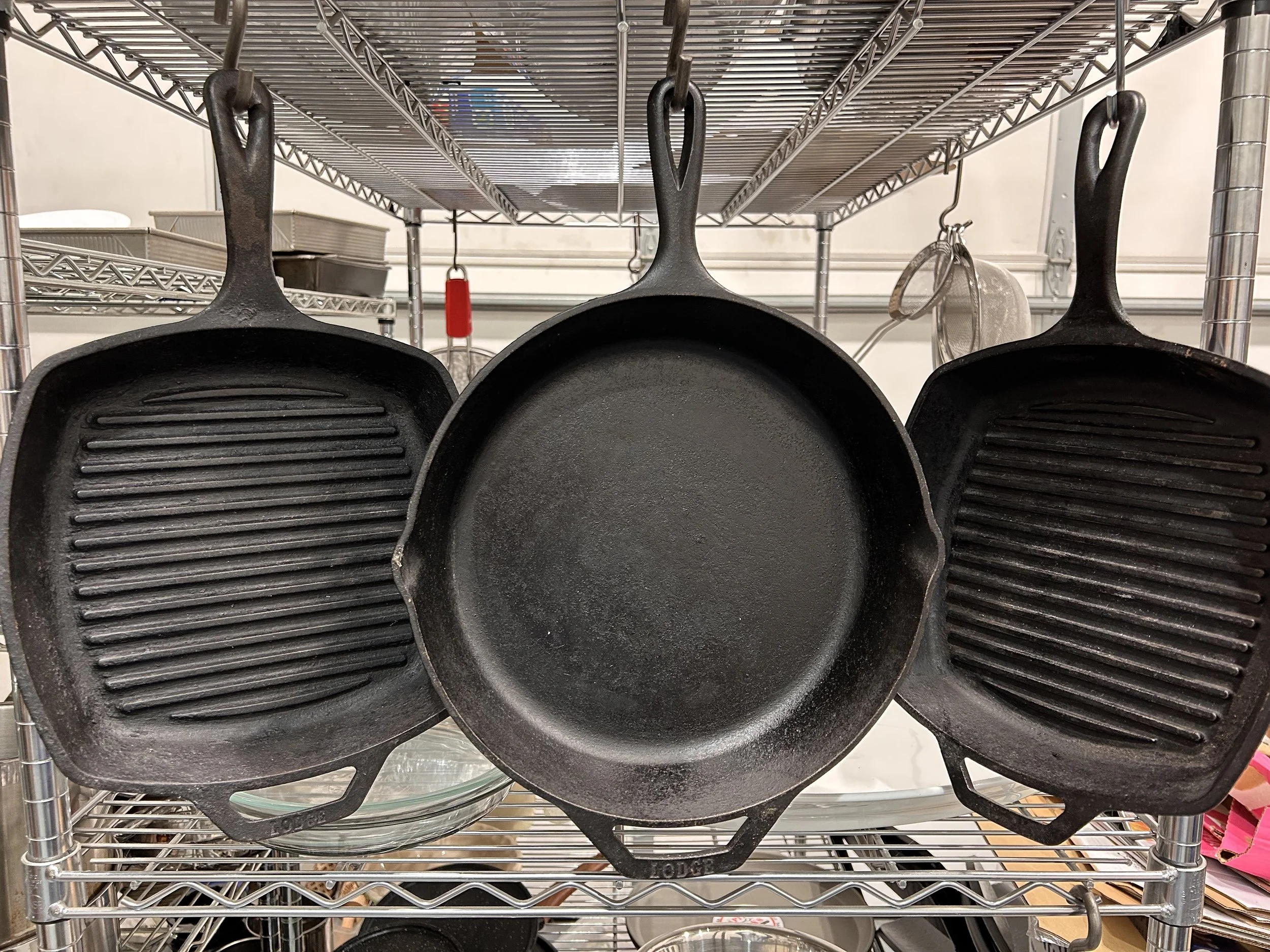
Well-seasoned cast iron skillets, ready for action!
In our gadget- and technology-filled world, there are still old-fashioned constants — tangible things that make life better and have done so for generations. They require no Wi-Fi, artificial intelligence or a spark of electricity to work. I’m talking about primal things: the love we have for our children, the trees outside the window, the warmth of a hearth. No Instagram feed can compete with any of that.
Less primal, perhaps, but still wonderfully primitive and deeply satisfying in a frantic modern age, is a good old cast-iron skillet.
These days, chef-owned companies push high-tech, coated pans promising perfectly cooked food — usually paired with an equally huge price tag.
Instead, go primal (or at least medieval) and get yourself a classic cast-iron pan. Give it a good seasoning, fire up the stove, and start cooking. Read on for best practices, how-tos, and solid advice if you’re feeling a bit skittish about getting started.
What, Exactly, Is a Cast-Iron Skillet?
Cast-iron skillets are forged in foundries, including here in the United States. A mix of metals — often including recycled iron — is melted down at temperatures up to 2,000 degrees and poured into sand molds. Once cooled, the piece is sandblasted to smooth the surface for cooking. The result is a nearly indestructible piece of kitchen gear built to last for generations.
Why Use One?
There are plenty of reasons to cook with cast iron, but a few stand above the rest. First and foremost, a well-seasoned skillet is naturally nonstick — without the synthetic coatings or chemical concerns of conventional pans. It’s also an absolute workhorse. A single skillet can sauté, sear, bake, roast and simmer, seamlessly moving from stovetop to oven to open campfire. Really, the question isn’t why you should use one — it’s why you’d use anything else.
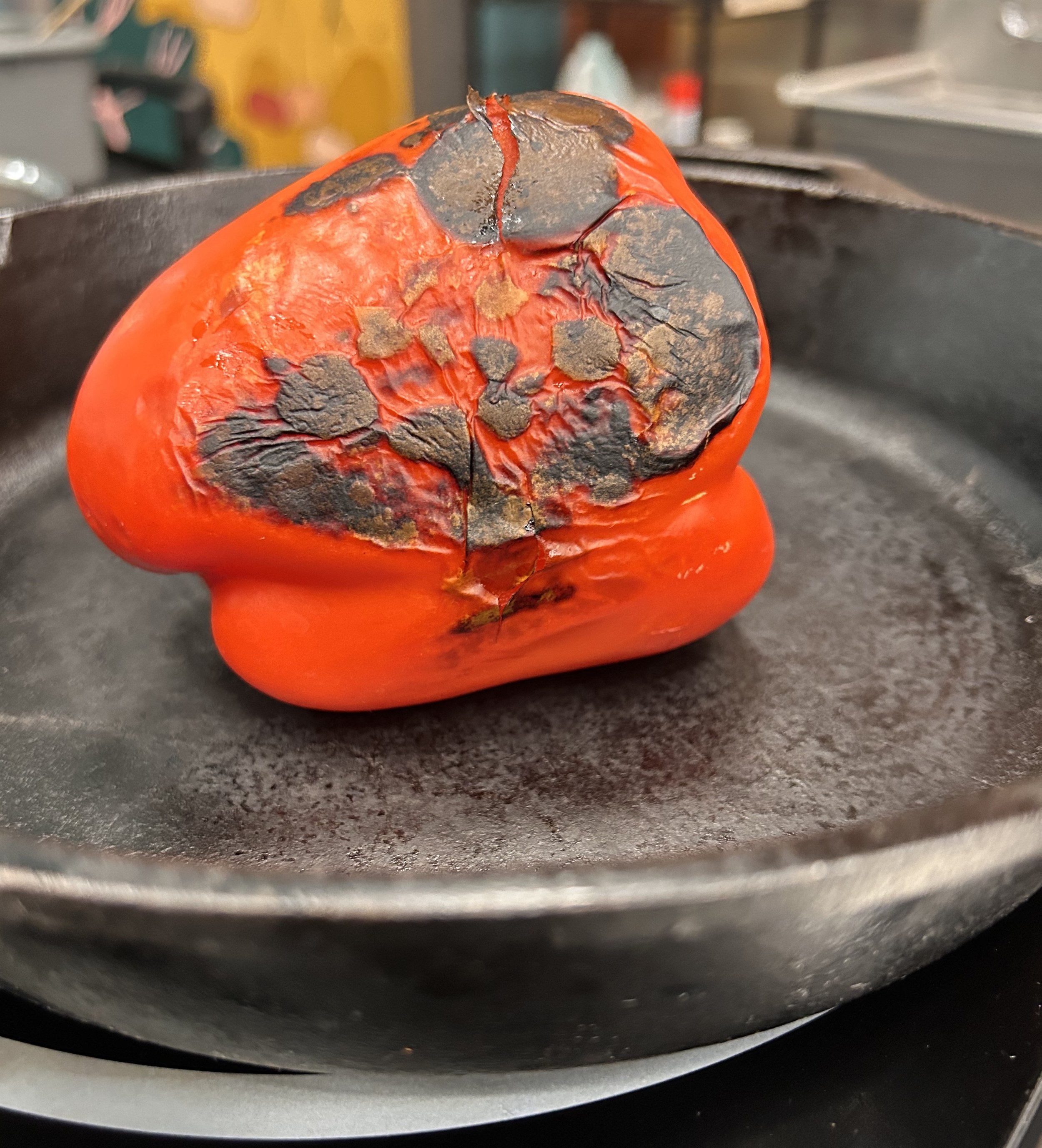
You can easily blister peppers in a cast iron skillet.
An Age-Old Tradition
Cast-iron cookware has been around for centuries — millennia, even. Imagine a family gathered around an open hearth, a heavy iron pot hanging from a hook over the fire. Into that single pot went whatever was on hand: potato peels, tender garden herbs, meaty bones. It simmered continuously, nourishing the household day after day.
While the world has transformed since the days of open-hearth cooking, our basic intentions around food remain unchanged: create deep flavor, stretch what we have, and feed the people we love. Look at the world through the lens of a cast-iron skillet, and perhaps not so much has changed after all.
How to Use a Cast-Iron Skillet
Used properly, any cast-iron skillet will produce a deep, golden crust on your favorite foods. Beyond looking beautiful, that crisp sear delivers incredible depth of flavor. Getting that result is simple: start by setting your skillet on the stove over medium-low heat. (Cast iron retains heat remarkably well, so high heat is rarely necessary.) Let the pan sit for a few minutes to absorb the flame and warm evenly. When you can hover your hand an inch or two above the surface and feel a steady wave of heat, it’s ready. Add a tablespoon or so of oil to coat the bottom. Olive oil is ideal for gentler cooking — like frying an egg, sautéing vegetables, or crisping a grilled cheese — while a high smoke-point oil like avocado is best for tasks like searing chicken or fish.
Favorite Foods to Cook Up
There are obvious things to put into your cast iron: fried eggs and crisp potatoes and chicken that starts on the stove and finishes in the oven. But I also love making cornbread in my cast-iron skillet, if not for the crisp, browned edges, then for the satisfying sizzle of pouring batter into hot browned butter before it is escorted to the oven. It’s heaven, indeed. There’s also blackening a red pepper for salads, sandwiches and apple crisp, biscuits and brownies (if you like the chewy edge of the brownie closest to the pan then trust me on that one).
To Wash or Not to Wash?
There are plenty of strong opinions on whether cast-iron skillets should ever meet soap, but here is the secret to caring for yours: wash it if you want to, or don’t. It’s true that cast iron relies on seasoning — a thin layer of polymerized oil that protects the porous metal from rusting — and aggressive scrubbing can wear that barrier down. Still, for many cooks, putting a pan away unwashed just doesn’t fly. If you fall firmly in the "must wash" camp, add a drop or two of mild dish soap, gently clean it with a soft sponge, and dry it thoroughly immediately after. Rub a tiny dab of oil over the surface, and your pan is ready for its next cooking adventure.
In our house, we live in a wash/don't-wash compromise — my husband believes in washing with soap, and I don’t — yet our marriage has managed to survive. When I handle the dishes and want to freshen up a pan, a sprinkle of coarse salt and half a lemon work wonders to lift stubborn bits of food without stripping my hard-earned seasoning. What hubby does with his dish soap is his own business.
What’s The Story With Seasoning?
Most people who are cast iron-averse don’t know what seasoning is and are afraid of doing it. Seasoning simply means to bake a layer of fat onto the porous surface of the cast iron in order to create a protective barrier. It needs to be seasoned (baked with oil) when it’s new, if you’ve adopted a used one, or if it gets rusty.
To season your cast iron, use a few drops of soap and give it a good scrub, then dry with a kitchen towel. Generously rub a tablespoon of neutral oil over the entire surface and place the pan in a 350-degree oven until it’s starting to smoke – about 30 minutes. Your cast iron, be it new or used, should have a soft shine to it — that’s the look of a well-seasoned skillet.