
Tomatoes: A Love Letter
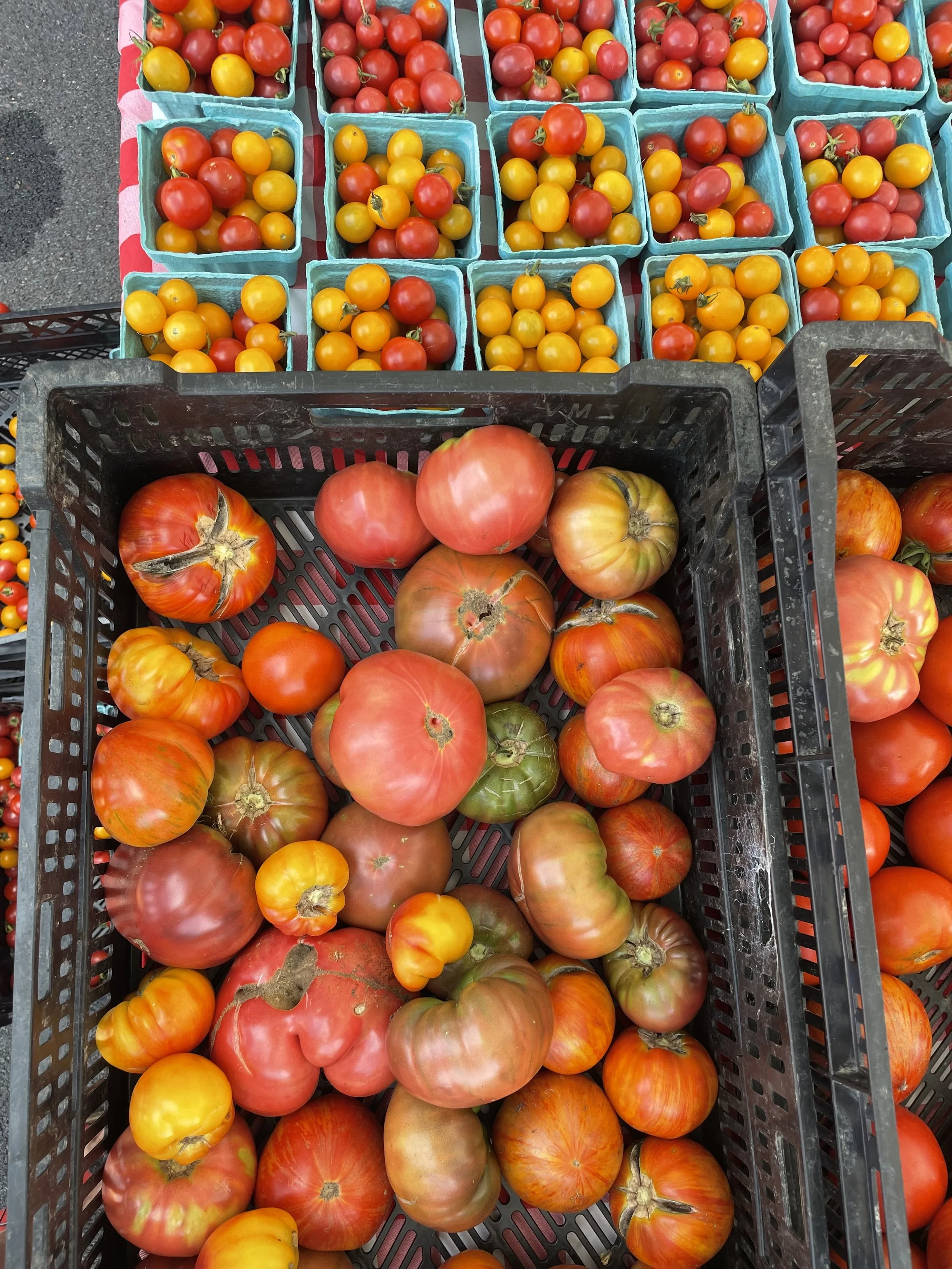
A tomato lover’s dream at the Delmar Farmer’s Market.
Though I look forward to local foods and the harvest season all winter (and through most of New York’s dreary, cold spring), there isn't a single fruit or vegetable I long for more than a locally harvested tomato. This craving is so great that on an otherwise lazy Saturday morning — when I’d prefer to just read and sip coffee — you’ll find me up, dressed and basket in hand. I’m a warrior, headed to the farmers market with just one goal: tomatoes.
If you’re a fellow tomato lover, you know that summertime happiness depends on securing them in bulk. Sure, tomatoes are good for you — they’re packed with antioxidants and all the other nutrients dietitians like to prattle on about. But the real reason to stuff yourself with them from July through September is that they’re good for your soul. Tomatoes bring genuine joy.
What I’ve laid out here is part guidebook and part love letter: an ode to dear, sweet tomatoes. Now that peak season is upon us (and if you’re like me, they are so upon us that they’re taking over the fruit bowl, overflowing on the windowsill, and sneaking into every meal), it’s the perfect time to review best practices, handy tips and practical advice.
So put down your coffee, get out of those pajamas, and head to the market. Buy more tomatoes than you could possibly eat. Don’t worry — they’re so good, you’ll easily find room for just one more on your plate.
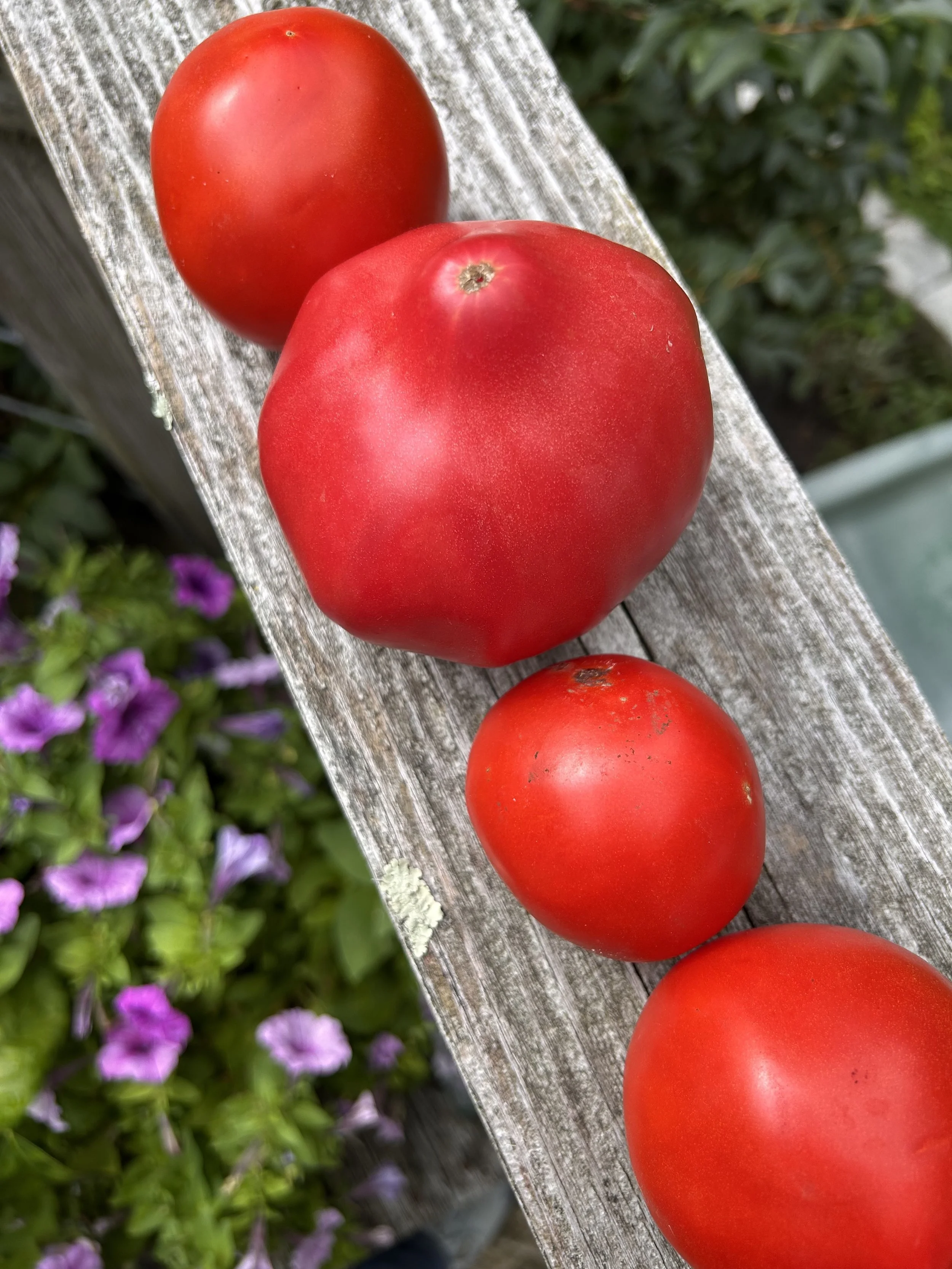
Homegrown tomatoes make people happy.
What’s So Great About a Local Tomato?
If you’ve ever wondered whether there’s really a difference between a tomato grown down the road and one shipped thousands of miles, the answer is a resounding yes. First, the tomato you pick up at the farmers' market was almost certainly ripened right on the vine, under the sun. Vine-ripened tomatoes develop rich, complex flavors and an incredible aroma that grocery store varieties just can't match. Distant, factory-farmed tomatoes are picked green and firm so they won't bruise during their long journey — sacrificing taste for durability. For the unbeatable flavor, the intoxicating smell, the vivid color and the joy of supporting our local growers, an upstate New York tomato beats the supermarket import every single time.
How to Choose a Tomato
When picking out your tomatoes, a few quick tricks will set you up for success. First, buy them at varying stages of ripeness so you’ll have delicious tomatoes ready to enjoy over several days. When you pick one up (ask first, though — it’s bad market etiquette to paw through the display), check its heft. A prime, ripe tomato should feel heavy for its size. If you buy a very ripe one, plan to eat it within a day or two before it turns. When in doubt, just ask the farmer. Once you get them home, place any underripe tomatoes in a sunny spot — I love lining them up on the kitchen windowsill. Seeing a row of tomatoes ripening on the sill, ready to be sliced for sandwiches and salads, feels like pure summer.
Fruit? Or Vegetable?
A tomato is famously a fruit that acts like a vegetable. Botanically, it’s classified as a fruit because it develops from a flowering plant and holds seeds. From a culinary standpoint, it belongs in the vegetable category because we treat it as a savory staple rather than sweet.
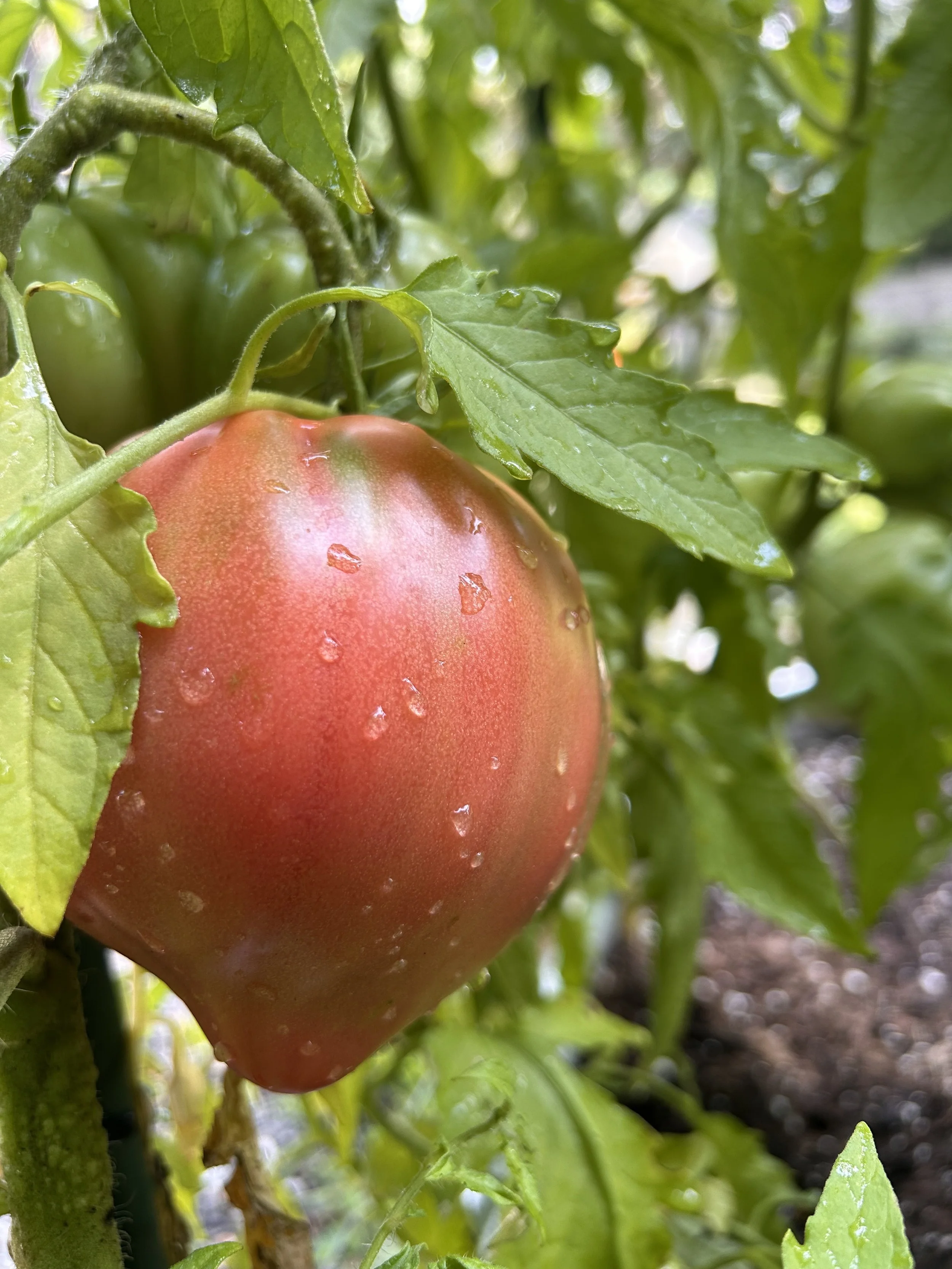
Growing tomatoes at home is not that hard.
What’s an Heirloom Tomato, Anyway?
To true tomato lovers, heirlooms are the absolute gold standard. While they come in all shapes, sizes and colors, you can count on one thing above all: they are extraordinarily delicious. An heirloom tomato is grown from seeds passed down through generations, often kept pure for 50 years or more. By contrast, mass-market supermarket tomatoes are hybrids, bred specifically for uniform color and a long shelf life. Heirlooms are often lumpy, cracked or weirdly shaped. And because they aren't bred for durability, they’re fragile. This is the tomato you eat, when ripe, the very day you buy it — standing at the sink, salt shaker in hand, with the juices running down your chin. You’ll pay a little extra for these beauties, but boy, are they worth every single cent.
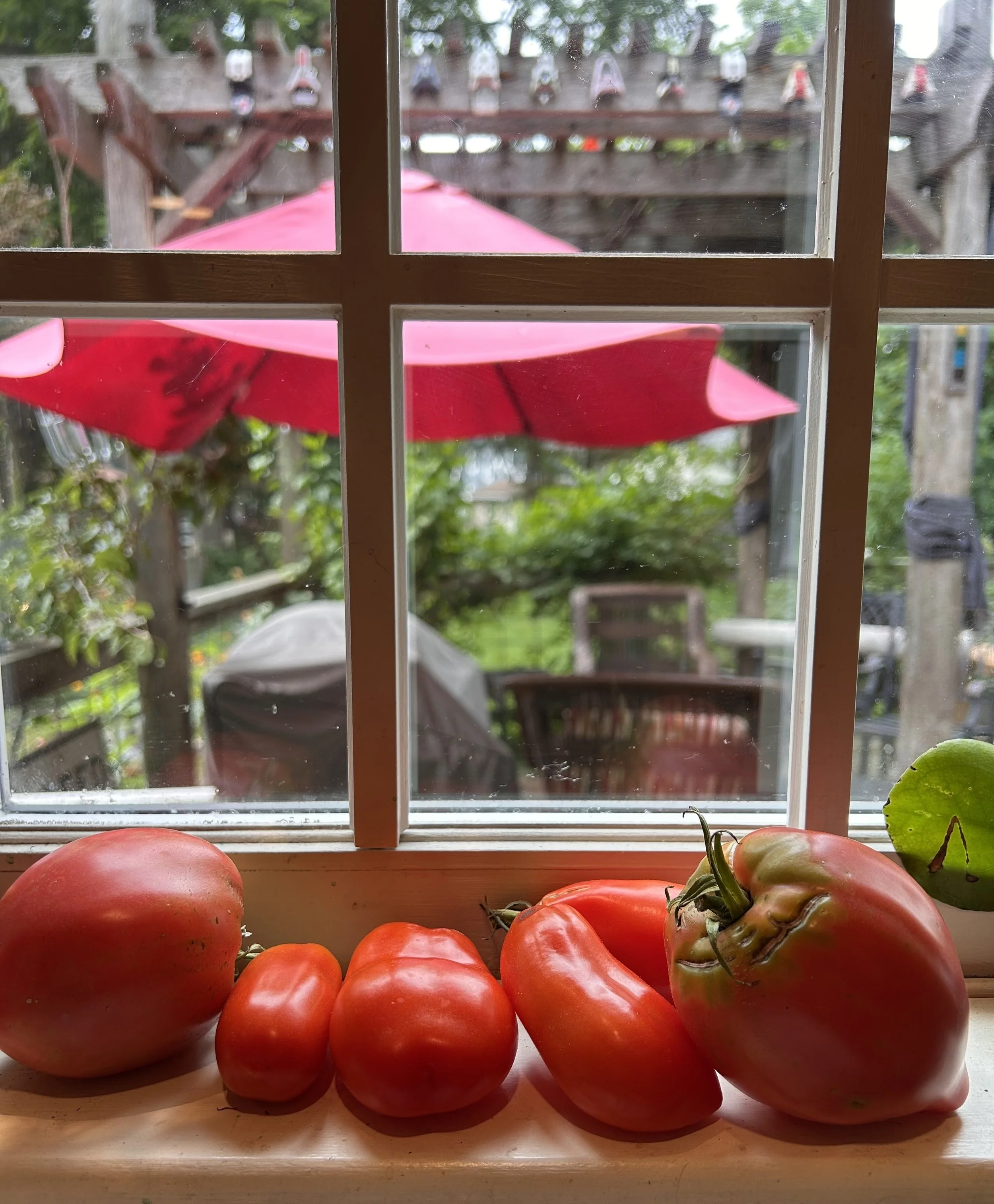
All shapes and sizes, awaiting a happy sandwich or salad.
How to Store Tomatoes
Ask five people how to store tomatoes and you’ll likely get five different answers. Here’s my rule of thumb: smaller varieties, like cherry and grape tomatoes, can tolerate a few days in the fridge if necessary. But for everything else, keep them far away from cold temperatures. Refrigeration turns a tomato’s texture mealy, kills its natural aroma and makes the flavor flat—plus, eating a cold tomato just feels wrong. The best spot for a ripe tomato is right on your kitchen counter, placed stem-side down. Storing them upside down stops moisture from escaping and keeps air from creeping into the stem scar. To keep pesky fruit flies away, simply drape a light linen dish towel over them.
How to Cook with Tomatoes in Summer
Our favorite way to eat peak-season tomatoes is raw, thickly sliced on a sandwich or tossed in a simple salad where their vibrant color and sun-warmed flavor can shine. But when your kitchen counters are overflowing, it’s time to heat up the pan. A quick chop, a brief sauté and a toss with fresh garlic, butter and summer herbs can transform a heap of tomatoes into magic. The best tomatoes for cooking are meaty, low-moisture varieties like Roma or San Marzano. Because they have fewer seeds and less water than slicers, they break down into a thick, jammy sauce. That said, don't hesitate to burst a pan of sweet cherry tomatoes with olive oil and garlic — their concentrated sugars make for a delicious quick pasta dinner.
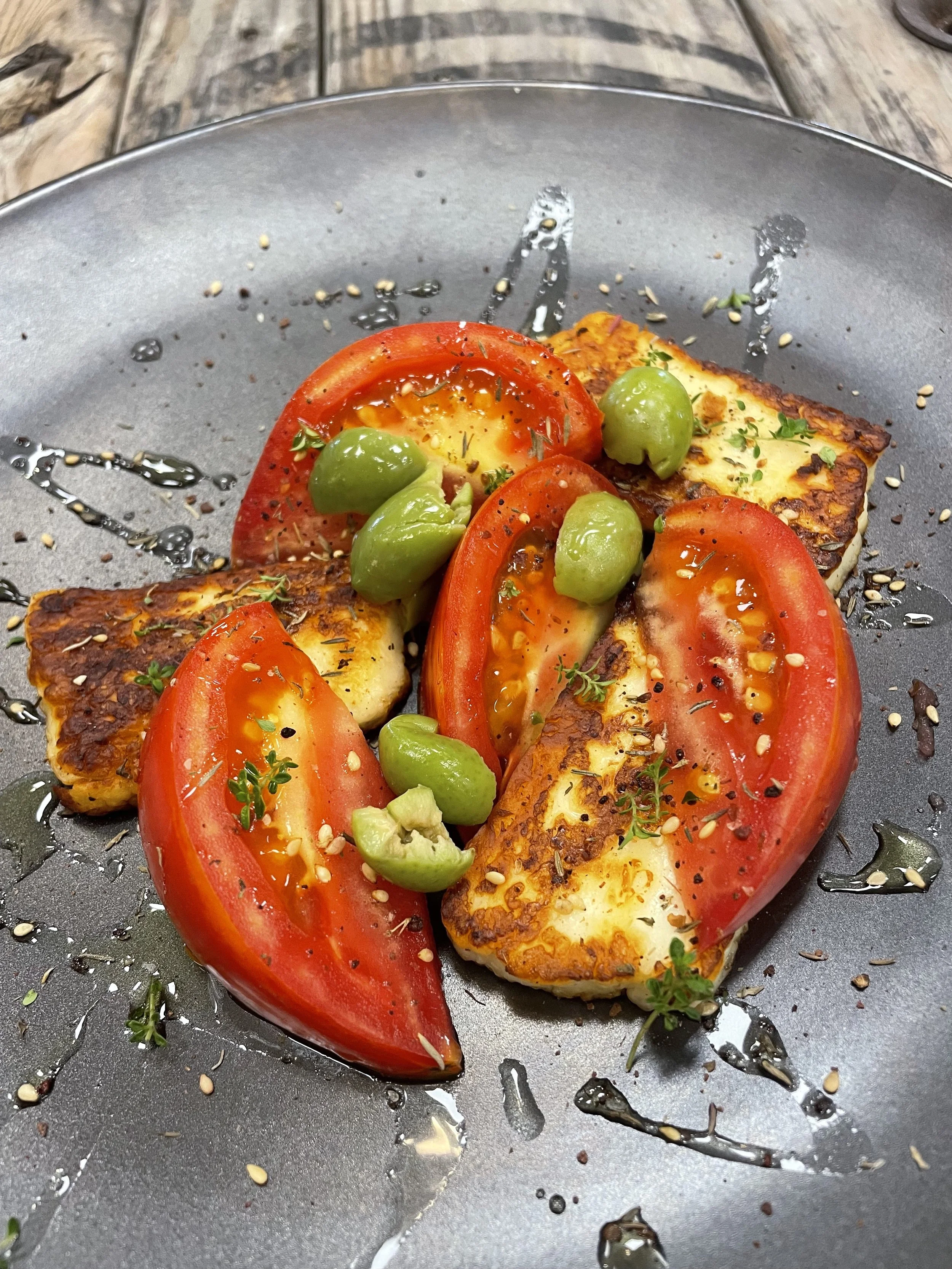
Caprese salad is great, but thinking outside the box is good too. Here’s a tomato with halloumi, olives and za’atar. b
Some Great Flavor Combinations
Peruse almost any Italian restaurant menu (sadly, at any time of year) and you’ll find the classic Caprese: fresh mozzarella, tomato and basil. There’s a reason it’s everywhere — done right with peak-season fruit, that creamy, herbaceous, acidic balance is magic. But tomatoes deserve so much more than a single-pairing partner. Thanks to their balance of natural sweetness, bright acidity and deep umami, tomatoes are incredibly versatile. They welcome a little creativity.
Swap out the basil and mozzarella for fresh mint, feta cheese, grilled halloumi, chili crisp oil, pistachios, butter, sauteed onions, gruyere, peaches, whole-milk ricotta and even sesame oil. Think of creamy elements as the backdrop, sweet fruits as equal partners and crunchy, nutty toppings as trusty sidekicks along for the ride.
Grow Your Own!
Tomatoes are among the easiest — and most rewarding — crops for a home gardener. If you have a decent-sized pot, good soil, plenty of sunlight and a little patience, you too can be a patio vegetable farmer.
Here are a few golden rules to help you on your tomato-growing journey. Water faithfully, as tomatoes like consistent moisture. Trim and prune by pinching off the small non-fruiting "suckers" that grow in the V-shaped crotches of the branches. Tomatoes are hungry plants! Use a balanced organic fertilizer every few weeks once they start flowering to keep them healthy and productive. Lastly, keep your plants under nets to prevent birds, squirrels (and at our house, the dogs) from eating your precious tomatoes.