
Secret Ingredients and How to Use Them
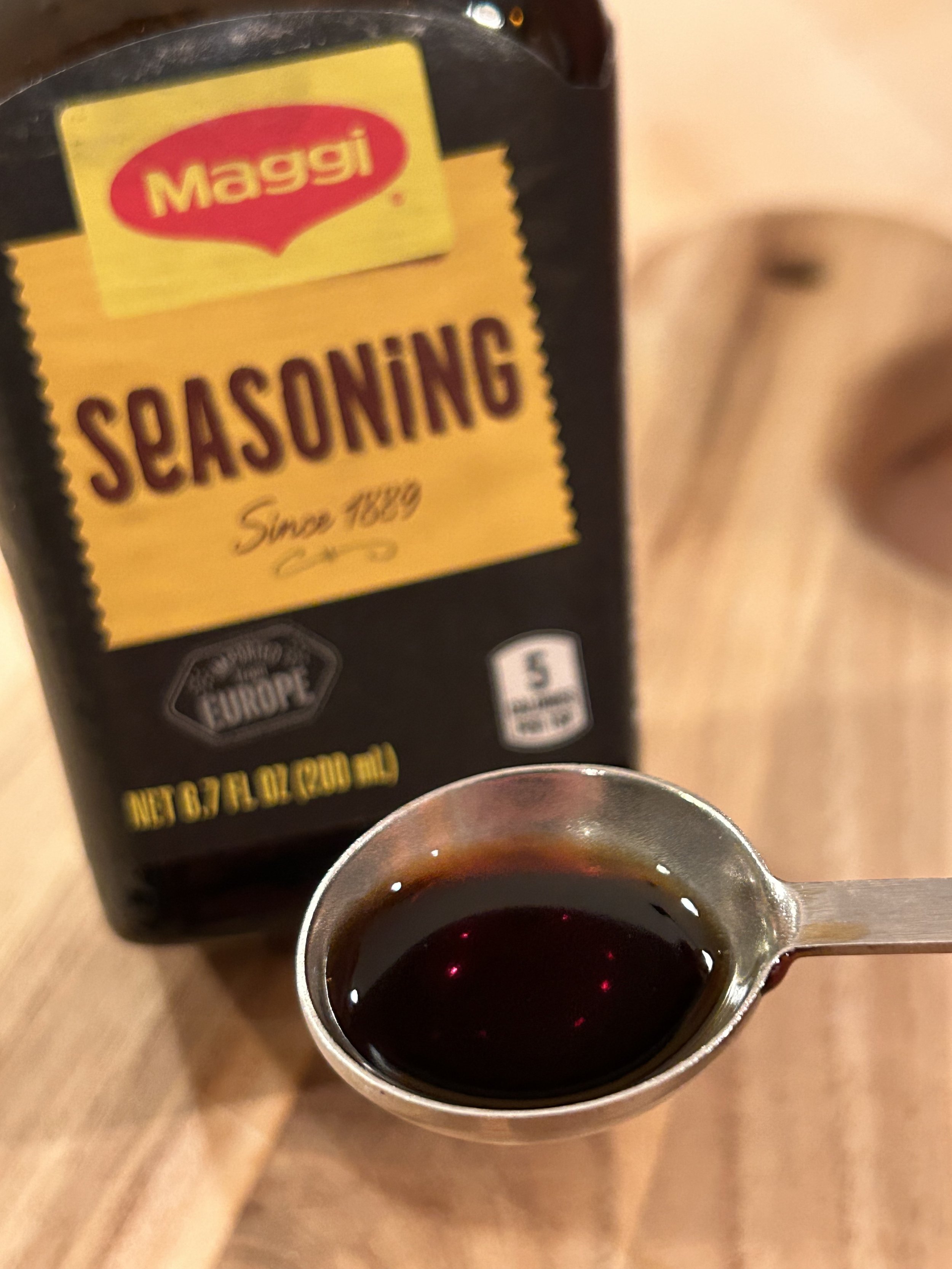
Maggi Seasoning has been around for a long time: it’s pretty magical.
It’s a passion and a pursuit of home cooks everywhere to find that golden, magical egg: the elusive secret ingredient. It’s the unexpected little something that gives a dish, as the French say, a certain “je ne sais quoi” — a quality that can’t quite be described that keeps us coming back for more.
I think the magic of a secret ingredient is that there’s only a tiny bit of it — a whisper of something you can’t quite put your, er, taste buds on. I love the idea of these special little somethings: pantry ingredients you keep on hand and pull out whenever a dish needs more depth, more umami, more lip-smacking goodness.
As someone who teaches people how to cook, though, I don’t believe in keeping these tidbits secret. Here, I’ve put together a list of simple pantry ingredients that can give almost any recipe a little extra — the kind of flavor that makes people ask for the recipe. Besides, secret-keeping is for mean girls on the playground. If you discover something worth sharing, do it with abandon.
One more thing: though I don’t keep secrets when it comes to cooking and recipes, I do have one piece of advice. The closest thing to a true secret ingredient probably isn’t anything to be found on the pantry shelves, but the time and care you put into making a dish.
There are few things more heartfelt than spending a few hours preparing a pot of stew for a friend. Or a salad. Or a batch of chocolate chip cookies — you get the idea. It’s whatever that person happens to need in that moment. Cooking for another human being is an act of love, and that’s no secret.
Maggi Seasoning
Maggi seasoning is a magical little bottle bursting with flavor. Invented in Switzerland more than a century ago, this savory seasoning sauce is used to build depth and complexity in dishes all around the world. In Vietnam, it’s added to stir-fried beef dishes and drizzled onto bánh mì. Across Latin America, cooks splash it into stews, soups, rice dishes and braised meats. Made primarily from ingredients like hydrolyzed vegetable protein and glutamates, Maggi delivers a powerful combination of saltiness, subtle sweetness and rich umami flavor. A little goes a long way, so use it sparingly. You can usually find Maggi in Asian grocery stores, many supermarkets and online.
Anchovies
For such an itty-bitty fish, anchovies inspire a surprising amount of vitriol. They’re a bit like licorice: you either love them or hate them. But here’s the thing about anchovies — you don’t have to enjoy a whole fish draped across your pizza or Caesar salad to appreciate what they can do in cooking. One of my favorite kitchen tricks is keeping a tube of anchovy paste on hand and adding a small squeeze — about a teaspoon — to onions and garlic as they sauté, ideally when no one is paying attention. No one will taste fishiness. What they will notice is deeper, richer, more savory flavor. Anchovies melt right into a dish, leaving behind pure umami magic. That said, don’t actually sneak them into food for vegetarians or anyone with a fish allergy; this trick is reserved strictly for the merely fussy.
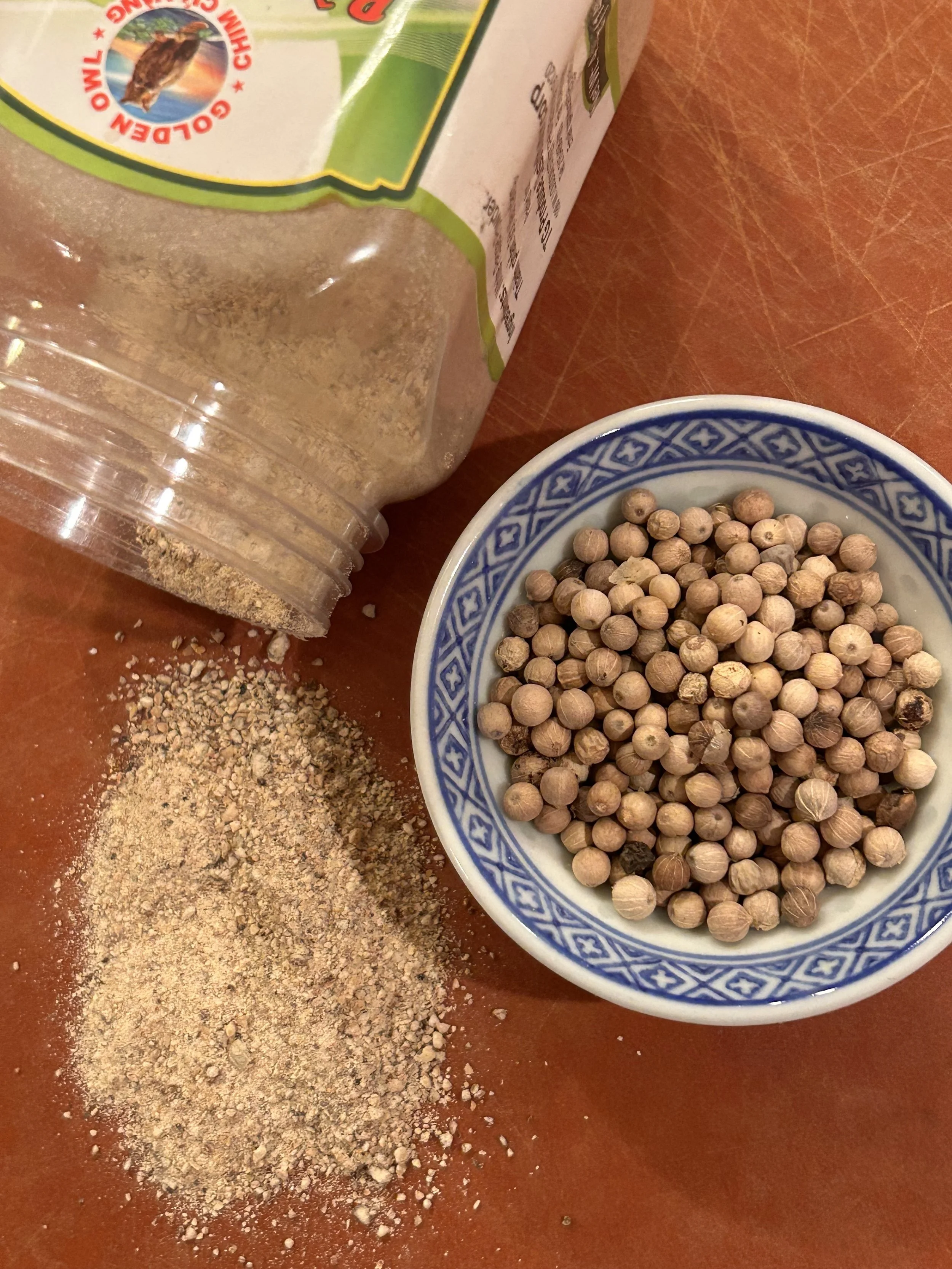
White pepper adds gentle warmth and a bit of funk.
White Peppercorns
There are several kinds of peppercorns out there, and here’s the surprising part: they all come from the same plant. Each has its place in the kitchen, but white peppercorns hold a special place in mine. White peppercorns are made by soaking ripe black pepper berries until their outer skins slip away. During that soaking process, the berries lightly ferment, developing a flavor that’s earthy, mellow and just a little funky. White pepper is a staple in many Asian dishes, but it’s just as good in mashed potatoes, creamy soups, and salad dressings. Anytime you want a subtle change from your usual black-pepper routine, white pepper is worth reaching for.
Instant Espresso
If you’re a fan of chocolate, it’s time to get acquainted with instant espresso, the ultimate supporting actor of the baking world. Just as a great performance is grounded by strong back-up singers, chocolate relies on specific ingredients to reach its full potential, and nothing does the job better than a touch of coffee. Rather than competing with the cocoa, instant espresso acts as a potent flavor enhancer. A small amount won’t make your dessert taste like coffee, but it will make the chocolate taste deeper, richer and more intense. I keep a jar permanently stocked in my pantry, whisking a spoonful into everything from chocolate cake and family-friendly puddings to decadent frostings and even boozy hot chocolate.
Parmesan Rinds
To chefs and in-the-know home cooks, a Parmesan rind is kitchen gold. The rind is simply the outer edge of the cheese wheel, naturally hardened during the aging process. There’s no wax or coating involved — just concentrated cheese packed with savory, umami-rich flavor. (To get the real deal, look for wheels stamped with the name “Parmigiano-Reggiano.”) Once you’ve grated every last morsel from the block, save the rind. Wrapped tightly, Parmesan rinds will keep in the refrigerator for about three months or in the freezer for up to a year. No need to thaw them before using. Toss a rind into spaghetti sauce, simmering beans, soups or stews anytime you want an extra layer of richness and depth. After a long simmer, the rind softens into a floppy little cheese blob. Fish it out before serving — or fight over it in the kitchen, which is what usually happens at my house.
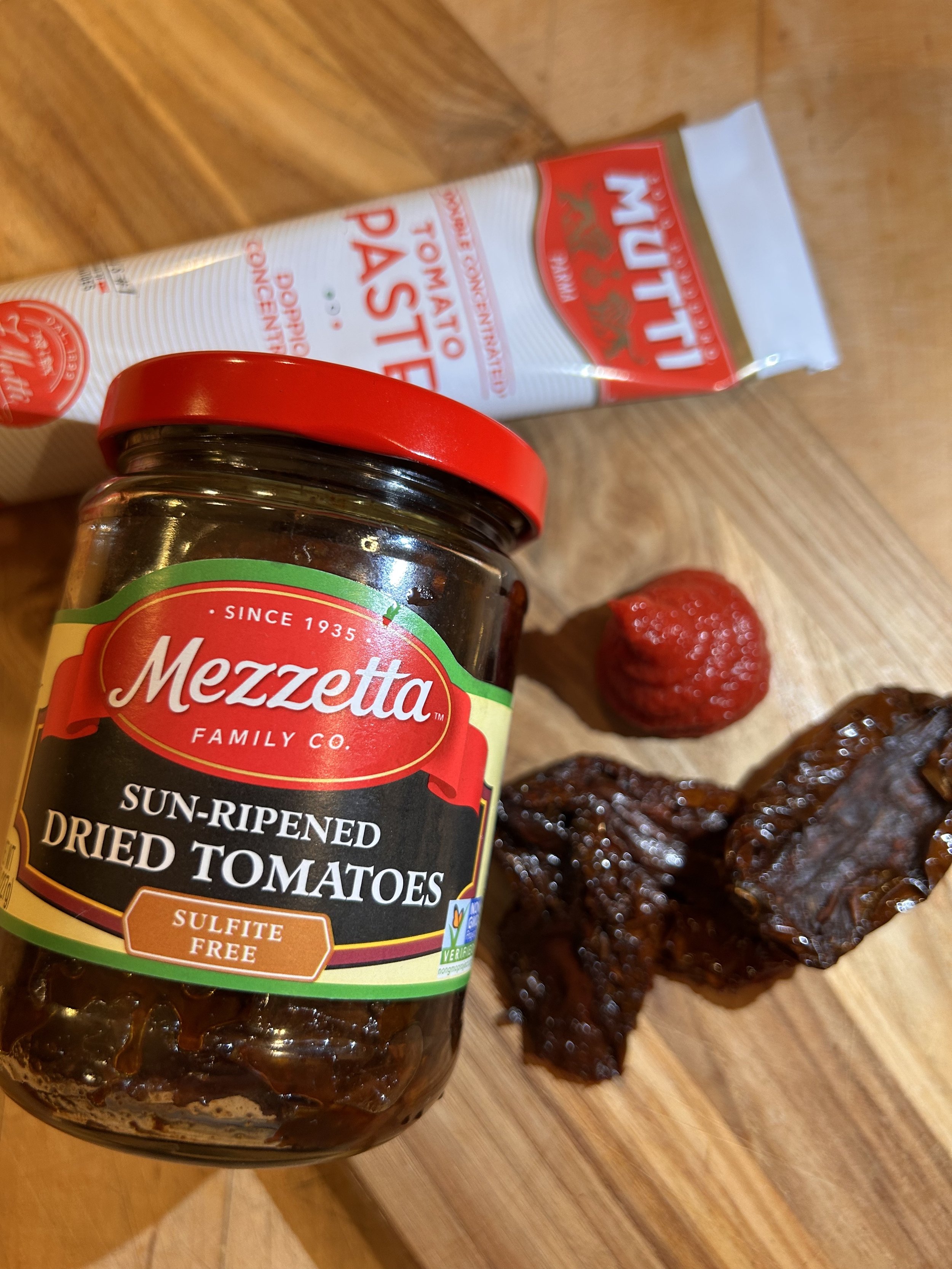
Sundried Tomatoes were a ‘90’s fad - but still very worthy of your kitchen!
Tomato Paste and Sundried Tomatoes
Concentrated tomatoes are an old kitchen trick for adding instant depth and richness to all kinds of dishes. If you ate at restaurants in the ’90s, you probably remember sun-dried tomatoes showing up on nearly every menu. Like many food trends, they eventually fell out of favor. But the idea behind them was always solid. And much like bell bottoms, sun-dried tomatoes have made a comeback. Both tomato paste and sun-dried tomatoes deliver deeply concentrated tomato flavor with just a small amount. Stir a spoonful of tomato paste or a finely chopped sun-dried tomato into soups, rice dishes, sauces or salad dressings anytime a dish needs a little extra oomph.
Butter
Who doesn’t love butter? Made from the fat and protein in cream, butter contains at least 80% milk fat — and all that richness makes it one of the most reliable flavor-builders in the kitchen. In small amounts, even just a tablespoon or two, butter adds silky texture and luxurious depth to soups, sauces and pan dishes. I like to stir a pat into tomato soup or finish a white wine sauce with a generous knob right before serving. On steaks, I’m partial to a slice of compound butter — butter mixed with garlic, herbs, lemon, or whatever sounds good at the moment. Butter may already be a kitchen staple for baking and keeping toast company, but it’s also one of the easiest ways to give a dish a creamy, restaurant-worthy finish.
Capers
Capers are tiny flower buds (often mistaken for berries), picked from their stems and preserved in brine or salt. The result is a small but powerful burst of tangy, briny flavor. I like to add capers to pasta dishes and egg salad, where they bring brightness and contrast. One of my favorite tricks is to fry them in olive oil until they curl and crisp, turning deeply golden and intensely flavorful, then scatter them over green salads — or, honestly, eat them straight from the pan. And even if you’re not keen on eating them whole, a spoonful blended into a creamy salad dressing can transform it into something pretty spectacular.
Flaky Sea Salt
Chemically speaking, all salt is the same. The differences lie in crystal structure, not composition. Sea salt is made by evaporating seawater, leaving behind delicate flakes, while mined salts — like kosher salt — tend to present in more uniform, cubic crystals. When the larger, flatter sea salt crystal hits your tongue, it spreads across more surface area at once, which makes it taste more intensely salty than an equal amount of shaker salt. That’s why flaky sea salt is so good as a finishing touch — a pinch over dark chocolate, avocado toast, roasted potatoes or a hummus plate can completely change the experience of a dish. A little goes a long way, which is just as well, because good sea salt can be pricey. But it’s one of those ingredients that earns its place in the pantry every single time you reach for it.